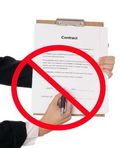

Many people obsess over getting legal release forms signed prior to posting a video interview online.
However in my experience, the mere act of thrusting a legal document in front of someone and demanding they sign causes many people to re-think permission.
I am not a lawyer!
This short video shot at a recent VisibleGains conference where the subject of permissions came up.
I'm not offering legal advice here. Rather, I want to share a practical alternative. I simply ask the person I am about to interview if it's okay to post the video.
Then in the edit process, I save the video permissions and post the interview.
It works great. I've interviewed and posted video with rock stars and Fortune 500 CEOs and top government officials using this method.
Steve Garfield also suggests asking the person to spell their name.
Interestingly, a few days after the VisibleGains conference, I was interviewed for a special segment to be aired on the MSNBC Your Business program on October 31, 2010 and the first thing the producer did was have me spell my name.
Image credit (without "no" symbol): Shutterstock / April Cat
Disclosure: I am on the VisibleGains advisory board.


I've used this verbal video release approach for a few years now, and attorneys at Fortune 100 companies have been fine with it. sure makes things easier, and makes your interview much more comfortable.
Posted by: Timwasher | October 12, 2010 at 11:11 AM
yes the verbal release works fine for coBRANDiT. if at a conference we shoot the interviewee's name tag for proper spelling later.
Posted by: owen | October 12, 2010 at 11:31 AM
Tim and Owen -- glad to hear that others are using this technique. Thanks!
Posted by: David Meerman Scott | October 12, 2010 at 03:16 PM
I too shoot the interviewee's name tag as well as have them spell it, like Steve Garfield suggested. Seems to work out great.
Posted by: dentist in union city | October 13, 2010 at 02:53 AM
dentist - excellent idea to shoot the nametag if it is an interview at a conference.
Posted by: David Meerman Scott | October 13, 2010 at 04:55 AM
Simple, easy way to not interrupt the flow of the process. Just start off with video running, and ask if you have their permission to post.
Great stuff.
Posted by: Jeremiah M. Wean | October 13, 2010 at 10:20 AM
There is a problem with this approach. New York and I think some other states only recognize written releases. Under New York law, a verbal release - whether recorded on video or not, is no release at all.
Posted by: Lawyer in NY | October 13, 2010 at 12:12 PM
There's a problem I see with David's argument. MSNBC is a news publication, and can legally get away with a verbal release. Any person that uses the video for any commercial purposes (including promoting themselves, their website, and their own publications and other media properties for sale), does not enjoy that same distinction.
I think it would have been very help to include feedback from an attorney who specializes in this line of work. Reason is, saying what you've managed to not have issues with isn't any assurance or guarantee that you couldn't be sued by anyone down the road. If what you're doing isn't legally binding, then it's giving others a false sense of assurance. (Sorry to be Debbie Downer here, but better safe than screwed!)
Posted by: Grant Crowell | October 13, 2010 at 05:41 PM
Lawyer and Grant -
Anyone can sue anyone at anytime release or no release for any reason.
My post is not offering legal advice.
I see so many times that people choose not to shoot a video because they don't want to sign a long form. This is a way around it from a practical perspective.
Posted by: David Meerman Scott | October 13, 2010 at 06:02 PM
I've getting ready to launch a video blog, so this information was very helpful. My takeaways:
1) Ask them for their consent on tape before starting the interview.
2) Edit that part out, keep it.
3) Ask them to spell their name.
Thanks.
Posted by: Nick Altrup | October 13, 2010 at 10:28 PM
That's right Nick. Good luck with it.
Posted by: David Meerman Scott | October 14, 2010 at 04:46 AM
I agree with Grant that there's a difference between news use and commercial use. I'm not a lawyer either, but I can say the television production companies I've worked with have been very strict about releases. Also, it's a common practice for TV people to ask an interviewee to say and spell their name at the top of the tape. It's verbal labeling so that no matter when you pick up that tape again, you know who the heck that "talking head" is. A good habit for anyone doing lots of video interviews.
Posted by: Janet Vasil | October 16, 2010 at 08:12 AM
Worrying about the actual content and marketing it > worrying about a form :)
Posted by: David Siteman Garland | October 17, 2010 at 09:29 PM
I like this approach, David. I've always worked for companies that require standard releases, but as an individual, I think the verbal release would work just fine for me. Thanks for the insight!
Amber @wordsdonewrite
Posted by: Amber Avines | October 19, 2010 at 12:16 AM
well speaking as a former video producer, the reason we asked people to spell their names is so the editor can derive a (sub)title / caption on the talking head without needing a sheet of paper. also most people know how to spell their names while people giving me written lists often do not! also david i had trouble getting back to your blog after watching the video, had to start over. my fault probably - jl
Posted by: justin locke | October 19, 2010 at 01:25 PM
I'm an Army broadcaster. We typically have people spell their names and give their title or duty position so we know exactly what to put in the fonting info... like what Justin said.
We've also found that it can help put the interviewee at ease. Out of all the questions we'll ask during the interview, "Please pronounce and spell your name" is probably the easiest to answer.
Posted by: Brian | November 19, 2010 at 03:25 PM
Thanks for jumping in Brian! Good to hear the Army perspective.
Posted by: David Meerman Scott | November 20, 2010 at 05:53 AM
I use the same approach with the video release- nice to hear you two smarty-pants do it too!
Posted by: JenChicago | December 27, 2010 at 01:18 AM
Glad to hear it Jen!
Posted by: David Meerman Scott | December 27, 2010 at 05:36 AM
Thanks for sharing great video, This is a way around it from a practical perspective.
Posted by: Release forms | January 10, 2011 at 01:34 AM
Good to hear all these tips from those on the field. I am planning to go into video shooting and trying to gather some information that will help me stay away from problem. Thank you all for your great contribution.
Posted by: Afroeuroforum | April 26, 2012 at 05:24 AM
I'm filming a documentary about a comic book store. The owner and the people who hang out there. So far, everyone infront of the camera has given me verbal consent (on camera) to shoot them. Now, I've been going on the internet and reading about how a release form are necessary. I live in Massachusetts. This is my first jump into filmmaking and I just want to make a movie. What should I do? Keep doing the on-camera consent or start rolling out consent papers?
Posted by: phillip | July 06, 2012 at 09:07 PM
Philip - I am not a lawyer so I cannot tell you from the legal perspective. If your film is to be sold, it may have implications I am unaware of. However, from a practical perspective when journalists or bloggers create videos, I have found that the verbal on-screen permission is enough. Again, that's not a legal answer but a practical one.
Good luck with it.
Posted by: David Meerman Scott | July 07, 2012 at 05:53 AM
That is the basic gist; in a nutshell what I teach in my classes set aside a bit of time to think through two things
Posted by: Voip | January 28, 2013 at 04:31 AM